Personality Disorders: When the Same Patterns Keep Repeating
Most people have patterns.
The way they respond to conflict. The way they protect themselves. The kinds of relationships they are drawn to. The way they handle criticism, closeness, rejection, stress or shame.
Some patterns are flexible. They show up sometimes, but they can shift depending on the situation. Other patterns feel harder to change. They repeat across relationships, workplaces, family dynamics and major life stages, even when the person can see they are causing problems.
This is sometimes where a personality disorder assessment may become relevant.
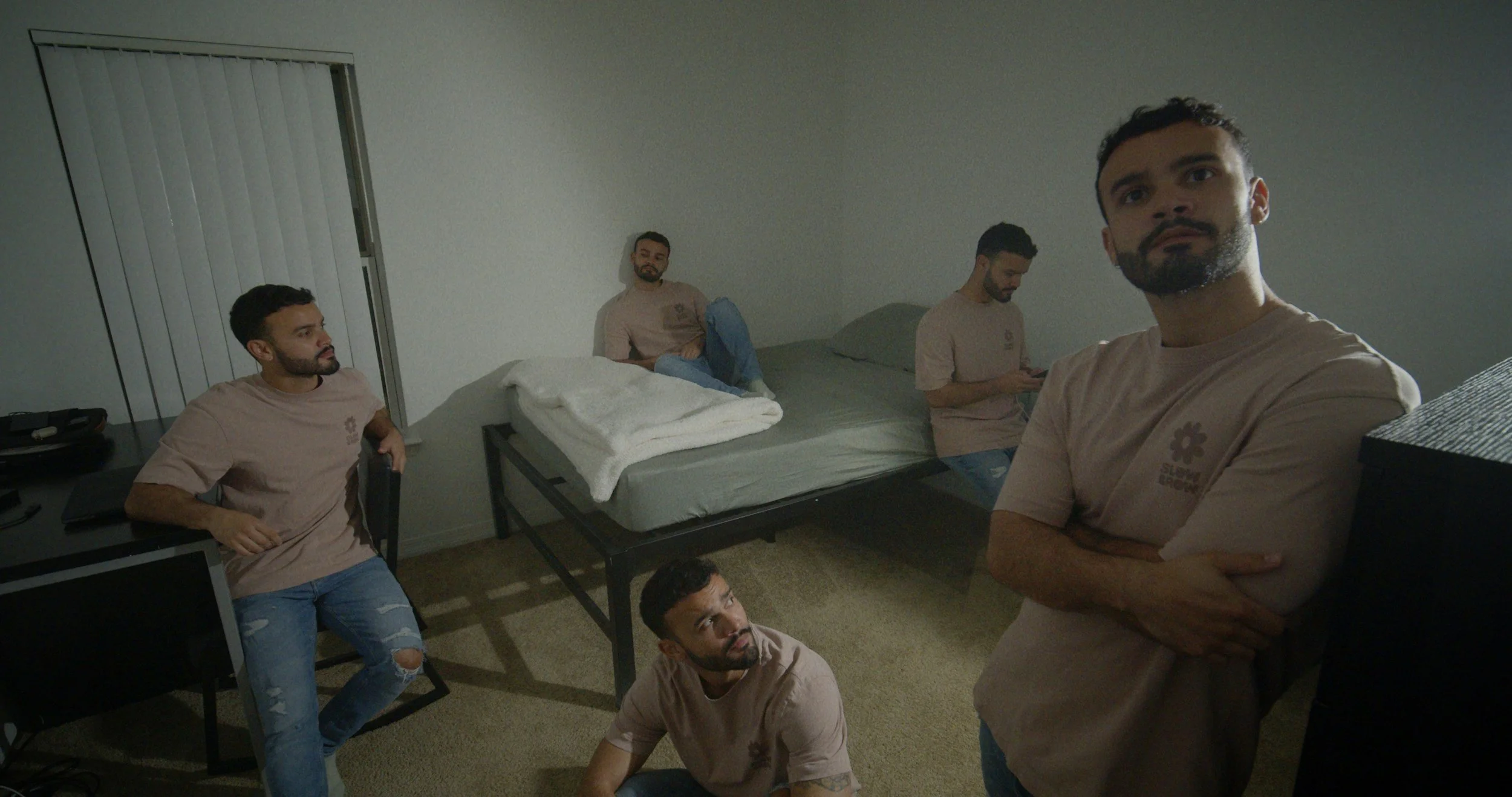
The term ‘personality disorder’ can sound harsh, but it does not mean someone has a bad personality.
What does “personality disorder” actually mean?
Personality disorders refer to long-standing patterns in the way a person thinks, feels, relates to others and copes with life. These patterns can cause distress, relationship difficulties, problems with identity, emotional regulation, impulse control, trust, boundaries or self-worth.
Different personality disorders look different. They are not all the same, and they should not be treated as one simple category.
A proper assessment looks at the person’s history, current functioning, relationships, emotional patterns and coping strategies over time.
It should also be done carefully, because trauma, mood disorders, anxiety, ADHD, autism and other concerns can sometimes overlap or be mistaken for personality-related difficulties.
The pattern is usually bigger than one situation
Everyone can act in ways they regret.
People can become defensive, withdrawn, emotional, suspicious, clingy, angry, impulsive or avoidant under stress. That does not automatically mean they have a personality disorder.
The question is whether the pattern is long-standing, repeated, distressing and difficult to shift. You might notice the same kinds of problems happening again and again. Relationships may begin intensely and end painfully. Conflict may feel unbearable. Trust may be difficult. Boundaries may swing between too open and too closed. You may feel unsure who you are, or feel like your sense of self changes depending on who you are with.
For some people, these patterns have been present for so long that they feel normal, even when they are painful.
Shame can get in the way of support
Many people feel afraid of the words “personality disorder.”
They may worry it means they are broken, manipulative, dangerous, selfish or untreatable. These fears are not helped by the way the term is sometimes used online or in casual conversation.
A diagnosis should never be used as an insult.
When understood properly, a personality disorder diagnosis can help explain patterns that may have been confusing for years. It can also guide the right kind of support.
For some people, having language for the pattern brings relief. For others, it takes time to process. Both responses are understandable.
Why assessment can be useful
A personality disorder assessment is not about judging someone’s character.
It is about understanding whether certain patterns are present, how they affect daily life, and what support may help.
Assessment may explore areas such as:
emotional regulation
relationship patterns
self-image and identity
trust and suspicion
impulsivity
fear of abandonment
avoidance or detachment
responses to criticism
long-standing coping styles
It may also consider whether symptoms are better explained by another condition or life experience. That distinction matters. The right understanding can change the kind of help a person receives.
When to consider a personality disorder assessment
A personality disorder assessment may be worth considering if you notice long-running patterns in relationships, emotions, identity, trust, coping or behaviour that keep causing distress or conflict.
This does not mean you need to diagnose yourself before seeking help. You do not need to know exactly what is going on. You may simply know that the same problems keep returning, and that trying harder has not been enough to change them.
A careful assessment can give you clearer language for what is happening. It can also help identify whether therapy, skills-based support, further assessment or another pathway may be appropriate. Patterns can be hard to face, especially when they have been part of life for a long time.
But understanding them is not the same as being defined by them.