Understanding Bipolar Disorder: Diagnosis, Symptoms, and Support
Everyone has changes in mood.
You can have a good week, then a flat one. You can be tired, irritable, motivated, emotional, distracted, full of energy, or not yourself for a while.
Bipolar disorder is different from ordinary ups and downs.
The changes tend to be stronger, last longer, and affect more than mood. They can change how much you sleep, how fast your thoughts move, how much energy you have, how you spend money, how you speak to people, how confident you feel, and how well you can keep up with daily life.
For some people, it takes a long time to realise there is a pattern.
They may first seek help during a low period, when they feel depressed, exhausted or unable to function. The higher periods may not seem like a problem at first, especially if they come with energy, confidence or productivity.
But over time, the pattern can become harder to ignore.
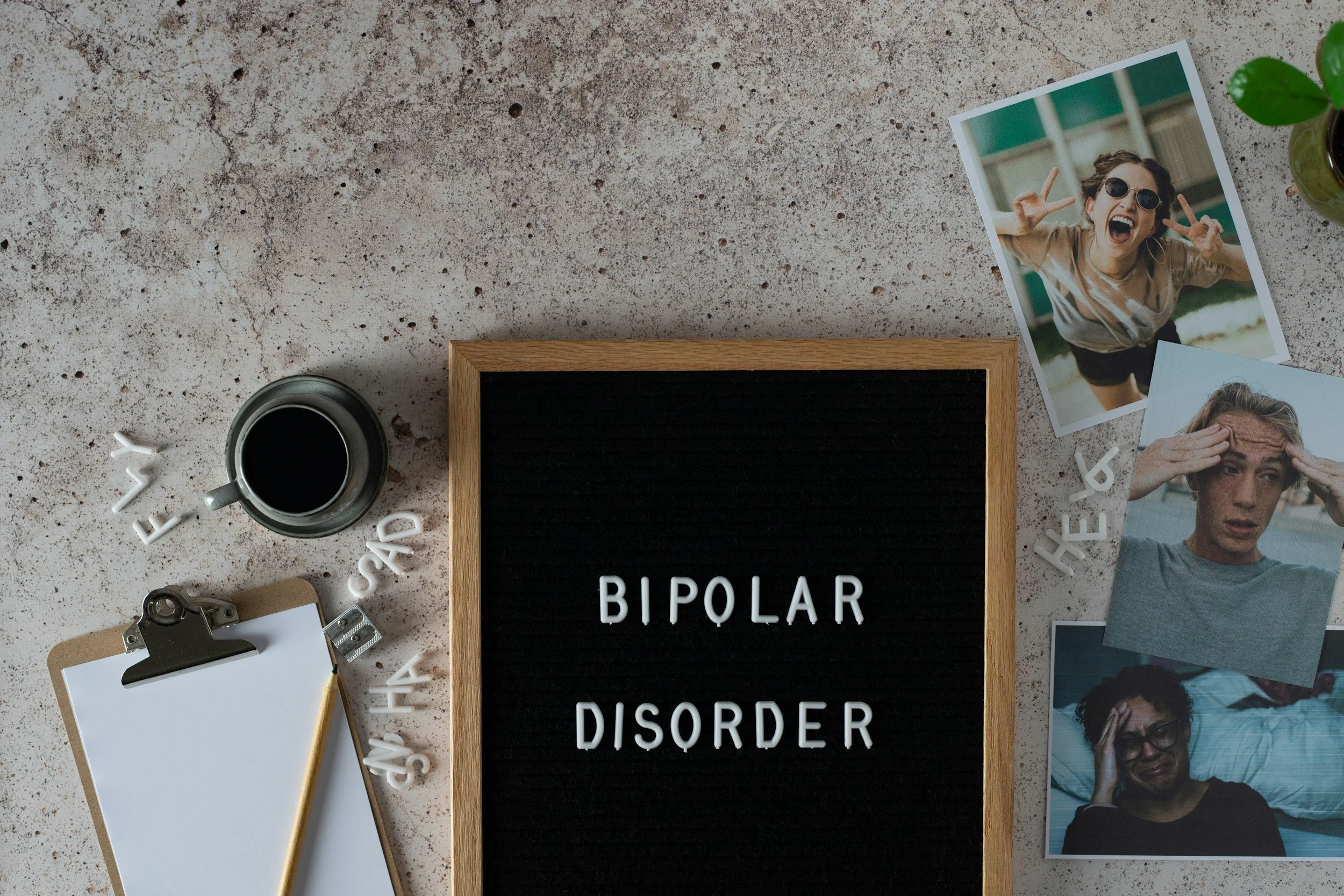
What Is Bipolar Disorder?
Bipolar disorder is a mental health condition where a person experiences episodes of depression, as well as periods of mania or hypomania.
Mania is more intense. It can seriously affect sleep, judgement, behaviour and safety. A person may feel unusually energised, agitated, powerful, restless or disconnected from consequences.
Hypomania is usually less severe than mania, but it can still cause problems. It may look like needing very little sleep, talking more, taking on too much, becoming unusually confident, feeling irritable, or making decisions that feel out of character later.
There are different types of bipolar disorder.
Bipolar I involves at least one manic episode.
Bipolar II involves hypomanic episodes and episodes of major depression.
Cyclothymic disorder involves ongoing mood shifts that do not meet the full criteria for mania or major depression, but still affect the person’s life.
A proper assessment matters because bipolar disorder can look like other things from the outside. It can be mistaken for depression, anxiety, stress, burnout, trauma responses or personality-related difficulties.
What the highs can look like
The “highs” in bipolar disorder are not always happy or enjoyable.
Sometimes they feel like excitement, confidence and energy. Other times they feel like irritation, pressure, agitation or a mind that will not slow down.
During a manic or hypomanic period, someone might:
sleep much less than usual
talk faster or more than normal
feel full of ideas
take risks they normally would not take
spend more money than they can afford
start big plans or projects
feel unusually confident
become more impatient, reactive or impulsive
For the person experiencing it, these changes may not always feel concerning at the time.
Other people may notice first.
A partner, friend or family member might say, “You don’t seem like yourself,” or “You’re moving too fast.” That can be hard to hear, especially if the person feels better than they have in a long time.
What the lows can look like
The depressive side of bipolar disorder can be heavy.
A person may feel sad, empty, ashamed, hopeless or numb. They may sleep too much or barely sleep at all. Getting through normal tasks can take a lot more effort.
It may become hard to answer messages, keep up with work, care for the house, make decisions, or feel connected to people.
Some people feel embarrassed by the contrast between the high periods and the low ones.
They may look back on things they said or did and feel guilt or confusion. They may wonder why they cannot just “get back to normal”. They may feel as though they are living between two versions of themselves.
This can be frightening and lonely, especially before there is an explanation for what is happening.
Why diagnosis can bring relief
A diagnosis does not fix everything.
But for some people, it gives a name to a pattern they have been living with for years.
It can help explain why certain periods felt so different. Why sleep changed so dramatically. Why decisions felt urgent at the time and confusing later. Why depression kept returning. Why life sometimes felt hard to keep steady, even with effort.
It can also help people get the right kind of support.
This is important because treatment for bipolar disorder can be different from treatment for depression alone. A GP or psychiatrist may be involved, particularly when it comes to medication or formal diagnosis.
A psychologist can also help, especially with understanding patterns, managing triggers, building routines and noticing early warning signs.
How therapy can help
Therapy for bipolar disorder is not about judging what has happened.
It is about understanding the pattern and learning how to respond earlier.
A psychologist may help you look at things like sleep, stress, mood changes, relationships, work pressure, family history, past episodes, and the signs that usually show up before things shift.
That might include noticing when you start sleeping less, becoming more impulsive, feeling unusually wired, withdrawing from people, or slipping into a low period.
Therapy can also help with the emotional side of bipolar disorder.
There may be shame, grief, fear, anger, relationship strain or worry about the future. There may be parts of past episodes that are hard to talk about. There may also be relief in finally being able to say, “This is what has been happening.”
Support can include mood tracking, routine building, relapse prevention, emotional regulation, stress management and help with communication.
Not in a rigid, textbook way. In a way that fits the person’s actual life.
Living with bipolar disorder
Many people with bipolar disorder live steady, full lives with the right support around them.
That support may include therapy, medication, regular sleep, lower stress where possible, trusted people who understand the warning signs, and a plan for what to do if mood starts to shift.
It may also involve learning to be kinder to yourself.
Bipolar disorder can affect parts of life that feel deeply personal: relationships, work, parenting, money, confidence and identity. It can take time to process that.
Support can help you make sense of what has happened, reduce the risk of things escalating, and feel less alone with it.
Getting support
If your mood changes feel bigger than ordinary ups and downs, or other people have noticed changes in your energy, sleep, behaviour or depression, it may be worth speaking with a professional.
At Psych Sami & Co., our psychologists support people experiencing mood difficulties, including concerns around bipolar disorder.
You do not need to be certain about what is going on before reaching out. Sometimes the first step is simply talking through the pattern and working out what kind of support makes sense from there.